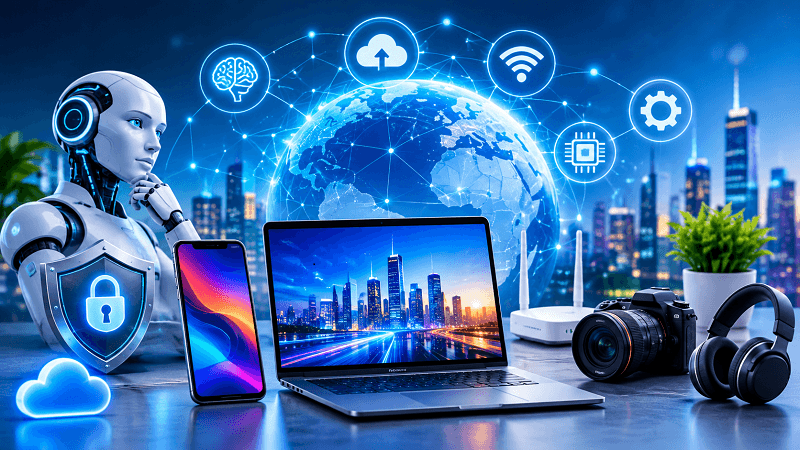
Technology has become an essential part of everyday life. From smartphones and artificial intelligence to cybersecurity, cloud computing, and digital applications, technological developments continue to change how people communicate, work, learn, and manage information. Understanding these changes is important for individuals, professionals, students, and businesses.
The BetterThisTechs article by BetterThisWorld approach focuses on making modern technology easier to understand through practical explanations, useful guides, and accessible information. Instead of overwhelming readers with complicated technical terms, technology content should explain how digital tools work, why they matter, and how people can use them effectively.
This guide explores important areas of modern technology, explains their practical applications, and provides helpful information for anyone interested in the digital world.
Understanding Modern Technology
Modern technology refers to the devices, software, systems, and digital services that help people complete tasks, exchange information, and solve everyday problems. It includes computers, smartphones, internet services, artificial intelligence, communication platforms, and automated systems.
Technology is no longer limited to professional environments. People use digital tools for education, entertainment, shopping, banking, healthcare services, and personal communication.
For example, students can attend online classes, employees can collaborate remotely, and business owners can manage customers through digital platforms. These developments demonstrate how technology supports different activities.
Understanding basic technological concepts helps users make better decisions when choosing devices, applications, and online services. It also makes it easier to recognize useful innovations and avoid unnecessary digital risks.
Artificial Intelligence and Digital Transformation
Artificial intelligence (AI) is among the most significant technological advancements transforming today’s digital world. It refers to computer systems designed to perform tasks that normally require human-like abilities, such as recognizing patterns, understanding language, analyzing information, and generating content.
AI is used in many industries, including education, healthcare, finance, retail, transportation, and customer service.
Some common applications include:
- AI assistants: Help users answer questions and organize information.
- Content creation tools: Support writing, image creation, and brainstorming.
- Recommendation systems: Suggest products, videos, and other content based on user activity.
- Business automation: Help manage repetitive tasks and workflows.
- Data analysis: Identify patterns and summarize large amounts of information.
AI can increase efficiency, streamline workflows, and help users complete tasks more quickly. However, it also has limitations. AI-generated information may contain errors, and some systems can produce misleading or incomplete results.
Users should review important information before relying on it, particularly when making financial, professional, or security-related decisions.
Smartphones and Mobile Technology
Smartphones have revolutionized how people communicate, connect, and access information in their daily lives. Modern mobile devices combine several technologies in one portable product, allowing users to communicate, browse websites, take photographs, manage documents, and use digital services.
Smartphone technology continues to improve through advanced processors, better cameras, improved displays, longer battery life, and faster wireless connections.
When choosing a smartphone, users should consider several important features.
1. Performance: A powerful processor and sufficient memory help applications run smoothly.
2. Battery life: Battery capacity and charging technology influence how long a device can operate.
3. Camera quality: Camera sensors, image processing, and available features affect photography.
4. Storage: Sufficient storage is important for applications, photographs, videos, and documents.
5. Software support: Regular operating system and security updates help maintain device performance and protection.
It is also important to select a device according to personal requirements rather than purchasing the most expensive model. A suitable smartphone should provide the features needed for everyday activities.
Cybersecurity and Digital Protection
As internet usage increases, cybersecurity has become an important responsibility for individuals and organizations. Cybersecurity involves protecting computers, smartphones, networks, accounts, and personal information from digital threats.
Common online threats include phishing, identity theft, malicious software, fraudulent websites, and unauthorized account access.
Users can improve their online security by following several practical steps:
- Use strong, different passwords for each important online account.
- Enable two-factor authentication whenever available.
- Do not click on unfamiliar links or download attachments from untrusted sources.
- Install operating system and application updates.
- Use secure internet connections when accessing sensitive information.
- Review website addresses before entering personal details.
- Avoid sharing confidential information with unverified sources.
Password managers can also help users create and store unique passwords securely.
Businesses should introduce additional security measures, including employee awareness training, regular backups, access controls, and appropriate network protection.
Good cybersecurity habits reduce unnecessary risks and help people use digital services more confidently.
Cloud Computing and Online Storage
Cloud computing allows users to access computing resources and digital services through the internet. These resources may include storage, software, databases, servers, and collaboration tools.
Instead of keeping every document on one physical device, users can store files online and access them from different supported devices.
Cloud computing offers several benefits:
- Flexible access: Users can access their information from different locations.
- Data backup: Cloud services can help protect important files against device failure.
- Team collaboration: Multiple users can work on shared documents and projects.
- Scalability: Businesses can increase or reduce resources according to their requirements.
- Convenience: Online applications reduce the need to install and maintain certain programs locally.
However, cloud services also require careful consideration. Users should review privacy policies, security settings, storage limits, subscription costs, and data recovery options.
Before selecting a cloud platform, consider how much storage you need, which devices you use, and whether the provider offers suitable security features.
Software and Digital Tools for Everyday Productivity
Software applications help people organize responsibilities, communicate, create content, and complete professional tasks. Choosing appropriate tools can improve productivity and reduce unnecessary manual work.
Different applications serve different purposes. Productivity software supports planning and document creation, while communication platforms help teams exchange information. Creative applications provide tools for designing graphics, editing videos, and producing digital content.
Some useful categories include:
1. Productivity applications: These help users manage schedules, create documents, organize tasks, and track projects.
2. Communication platforms: Messaging applications and video conferencing services support personal and professional communication.
3. Creative software: Image editors, video editors, and graphic design applications help users produce digital content.
4. Automation tools: These applications can perform repetitive activities, organize workflows, and reduce manual effort.
5. Website development tools: Website builders and content management systems help individuals and businesses establish an online presence.
When choosing software, consider its features, ease of use, pricing, customer support, compatibility, and security. Free applications can be useful, but users should understand their limitations and how their information is handled.
Emerging Technologies Shaping the Future
Technology continues to develop beyond traditional computers and mobile devices. Several emerging innovations may influence industries, communication, education, and everyday experiences.
Some important developments include:
- Internet of Things (IoT): Connected devices that exchange information through networks.
- Virtual reality (VR): Technology that creates immersive digital environments.
- Augmented reality (AR): Digital elements displayed alongside the real-world environment.
- Robotics: Machines designed to perform physical tasks with different levels of automation.
- Advanced computing: New computing approaches that may support complex scientific and industrial problems.
- Automation: Systems that complete specific tasks with limited human involvement.
These innovations can create opportunities in manufacturing, transportation, education, healthcare, entertainment, and business.
However, new technology should be evaluated carefully. Cost, accessibility, safety, privacy, technical requirements, and long-term usefulness all influence whether an innovation is suitable for a particular purpose.
How to Choose the Right Technology
With so many devices, applications, and services available, selecting the right technology can feel confusing. Advertisements often highlight impressive features without explaining whether those features solve an actual problem.
A practical selection process can make decisions easier.
Step 1: Identify your requirements.
Start by identifying the task you want to complete. For example, you might need a laptop for education, software for managing a business, or cloud storage for personal documents.
Step 2: Research available options.
Compare several products or services. Read detailed reviews, examine specifications, and check information from official providers.
Step 3: Consider the total cost.
Look beyond the initial purchase price. Include subscriptions, maintenance, accessories, upgrades, and possible replacement costs.
Step 4: Check security and privacy.
Understand what information an application collects, what permissions it requests, and how your data is stored.
Step 5: Test before committing.
Use free trials, demonstrations, or limited versions when available. Testing helps you understand whether a product meets your expectations.
Step 6: Review long-term usefulness.
Choose technology that supports your actual requirements and can remain useful as your needs change.
This approach helps reduce unnecessary purchases and encourages more informed decisions.
How to Stay Updated with Technology Developments
Staying informed is useful because digital products, software features, and security recommendations can change over time. However, following every technology headline is not necessary.
A better approach is to focus on developments that affect your interests, responsibilities, or daily activities.
Consider these practical habits:
- Read technology articles from informative and reputable websites.
- Follow official announcements from software and device manufacturers.
- Check publication dates before relying on technical instructions.
- Compare information from multiple trustworthy sources.
- Learn about important security updates affecting your devices.
- Explore tutorials that help you develop useful digital skills.
- Avoid making decisions based only on social media headlines.
The BetterThisTechs article by BetterThisWorld concept also highlights the importance of understanding the practical value of technology information. A useful article should explain what has changed, who may benefit, what limitations exist, and what readers can do next.
Responsible and Ethical Use of Technology
Technology offers many advantages, but responsible usage is equally important. Digital services collect information, influence decisions, and create new opportunities. Users should understand how their actions affect privacy, security, and other people.
Responsible technology use includes respecting digital privacy, avoiding harmful online activities, protecting personal information, and checking the accuracy of information before sharing it.
Businesses should also consider how technology affects employees, customers, and communities. For example, automated systems should be monitored to identify mistakes, unfair outcomes, and potential security problems.
Digital responsibility also includes reducing electronic waste. Repairing devices, recycling unwanted electronics, and choosing durable products can help reduce environmental impacts.
By developing responsible digital habits, individuals and organizations can benefit from innovation while managing potential risks.
Why Technology Education Matters
Technology education helps people develop the knowledge required to participate confidently in the modern digital environment. Basic digital skills are increasingly valuable across education, employment, entrepreneurship, and personal activities.
Students can use technology to research subjects, develop technical abilities, and access educational resources. Professionals can improve their productivity by learning new applications and understanding digital workflows. Business owners can explore automation, online marketing, customer management, and cloud-based services.
Continuous learning is especially important because technological knowledge can become outdated. Exploring tutorials, reading educational articles, and practising with new tools can help people improve their digital understanding.
A useful BetterThisTechs article by BetterThisWorld should encourage readers to move beyond simply knowing technology names. It should help them understand practical applications, recognize limitations, evaluate available solutions, and develop skills that remain valuable as technology changes.
Conclusion
Technology continues to influence almost every aspect of modern life. Artificial intelligence, smartphones, cybersecurity, cloud computing, software applications, and emerging innovations are creating new opportunities for individuals and businesses.
Understanding these developments does not require advanced technical knowledge. By learning basic concepts, exploring useful digital tools, following reliable information, and practising responsible online habits, anyone can improve their understanding of the digital world.
BetterThisTechs aims to make technology information accessible through practical guides, educational articles, and straightforward explanations. Whether you want to improve your digital skills, discover useful applications, understand online security, or explore future innovations, learning about technology can help you make more informed decisions.
The best way to benefit from technological progress is to remain curious, evaluate new developments carefully, and apply useful knowledge to everyday situations. Continue exploring, learning, and discovering the digital innovations shaping the future.